Ghana’s History in Focus: Is the Past Truly in the Past, or Still Shaping the Present?
If I had been asked a year ago whether the past still shapes the present, my answer would have been different from what it is today. This shift reflects a move from ignorance to a deeper understanding of Ghana’s history and heritage, gained through my PhD research on slavery and its enduring legacies.
My PhD journey so far, immersed in learning about Ghana’s history of slavery, has been shocking, educational, confusing, insightful, emotional, reflective, and ultimately deeply empowering and liberating. As my historical consciousness deepens, my perspective on global dynamics and the interpretation of present realities continues to evolve.
My only regret so far is not having learned this history earlier. This realisation has led me to believe that the Ghana Education Service must re-examine how Ghana’s history is taught in classrooms, particularly in relation to curriculum design and textbook content. There is a profound disservice in failing to teach Ghanaians, especially students, about our past, including slavery and colonisation, and the lessons embedded within that history.
Ignorance of our own history leaves us unprepared to engage critically with global dynamics and global audiences. The present is deeply connected to the past; contemporary inequalities, power structures, racism, and international relations cannot be fully understood without historical context. How can we meaningfully engage with the world if we do not understand the foundations that shaped our position within it?
This reflection brings to mind the powerful words of Marcus Garvey:
“A people without the knowledge of their past history, origin and culture is like a tree without roots.”
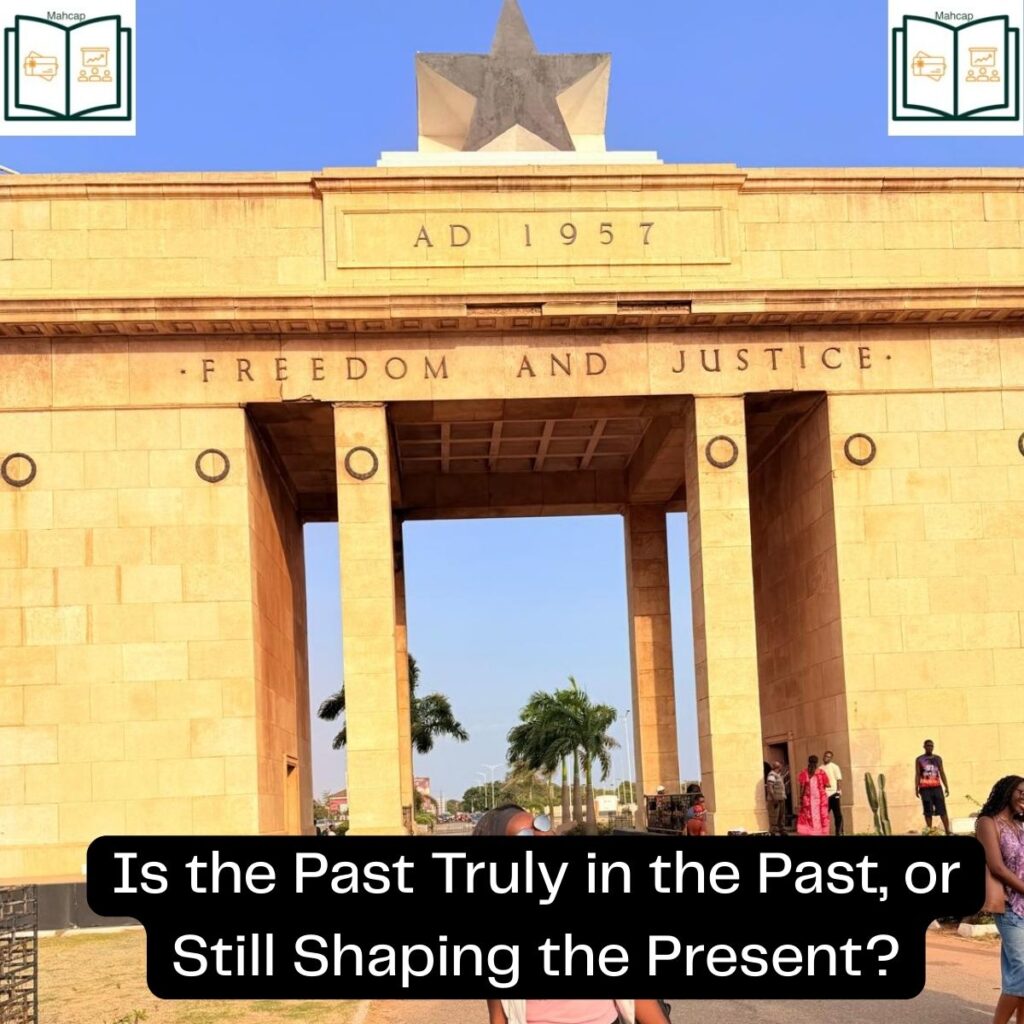
So, what do you know about Ghana’s history? Present-day Ghana will be 69 years old on March 6, 2026. However, long before independence and the arrival of Europeans, people lived on this land, engaged in vibrant economic activities, and developed rich cultures and religious traditions.
Therefore, understanding pre-colonial, colonial, and post-colonial Ghana is essential. Our heritage, rich in indigenous knowledge, vibrant cultures, and even the painful chapters of our shared past, must be preserved, understood, and shared. It is through learning about the wisdom of our ancestors, the beauty of our traditions, and the difficult truths of history, such as slavery, that we grow, both as individuals and as a society.
Everyone deserves to know their history so they can make informed decisions about how to engage with the past in the present. Importantly, painful and complex histories, such as enslavement, must be intentionally prioritised, not avoided, so that their lessons can guide us, help prevent future injustices, and reduce the risk of repeating past mistakes.Crucially, the past is often deeply connected to the present. If you are in doubt, reflect on this: have you ever considered whether your great-great-grandfather’s or great-great-grandmother’s occupation, status, or life circumstances have, in any way, influenced who you are or where you find yourself today?
Let me simplify it even further. Do you think your parents’ actions, struggles, and achievements have had some impact on who you are and where you are today? When we pause to consider these questions, it becomes clear that our lives do not exist in isolation. They are shaped, in ways both visible and subtle, by the generations before us.
Understanding your past helps you determine whether you are progressing or regressing. It enables you to identify the causes of certain changes and to recognise what must be done to achieve the results you desire. Regardless of your current circumstances, knowing your history provides clarity and direction.
Therefore, when people refuse to teach their children about their past, they deny them the opportunity to critically understand who they are, what has shaped their present realities, and which lessons can guide their efforts to improve today and tomorrow.
So, dear Ghanaians, what do you truly know about Ghana’s history of slavery? Let us learn together as I continue to share insights from my PhD journey on Ghana’s history of slavery and its enduring legacies.
By: Huzeima Mahamadu (PhD Candidate, Australian National University, Australia)